Digital technology is spreading to all sectors, and digital signage has not failed to reach the cultural world.
Museums, as major cultural figures, are institutions that preserve and share our artistic and historical heritage, while remaining in tune with the times. Digital content is therefore an asset that museums cannot afford to overlook, as they seek to meet the demands of today’s audiences.
Cultural venues are always on the lookout for something new, and digital signage offers the kind of uniqueness that attracts all kinds of audiences. Between modernity and innovation, museums can offer a unique digital experience thanks to digital signage.
The benefits of screen communication for museums
Facilitating visitor access
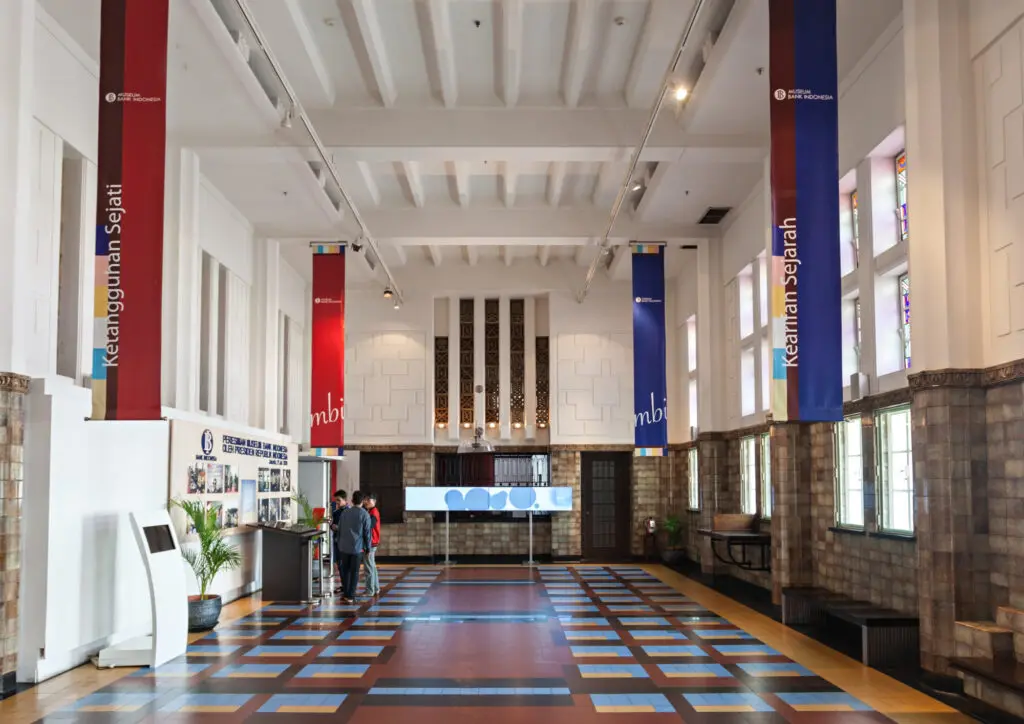
Digital media help museums capture thepublic’s attention. In fact, a screen is much more effective than a simple poster, as it has a far greater impact. Visitors can now access a select amount of information. They can discover the artworks on display on their own. The mediation between the public and the work is done naturally and easily, through screens.
Digital signage can also attract and convince some museum skeptics to take the plunge. Keeping people interested is an important issue, and renewing your proposals is the best way to keep themengaged. Personalized communication is fun for all age groups. The museum experience is enhanced, and visitors show greater interest in the exhibits.
Increasing interactivity
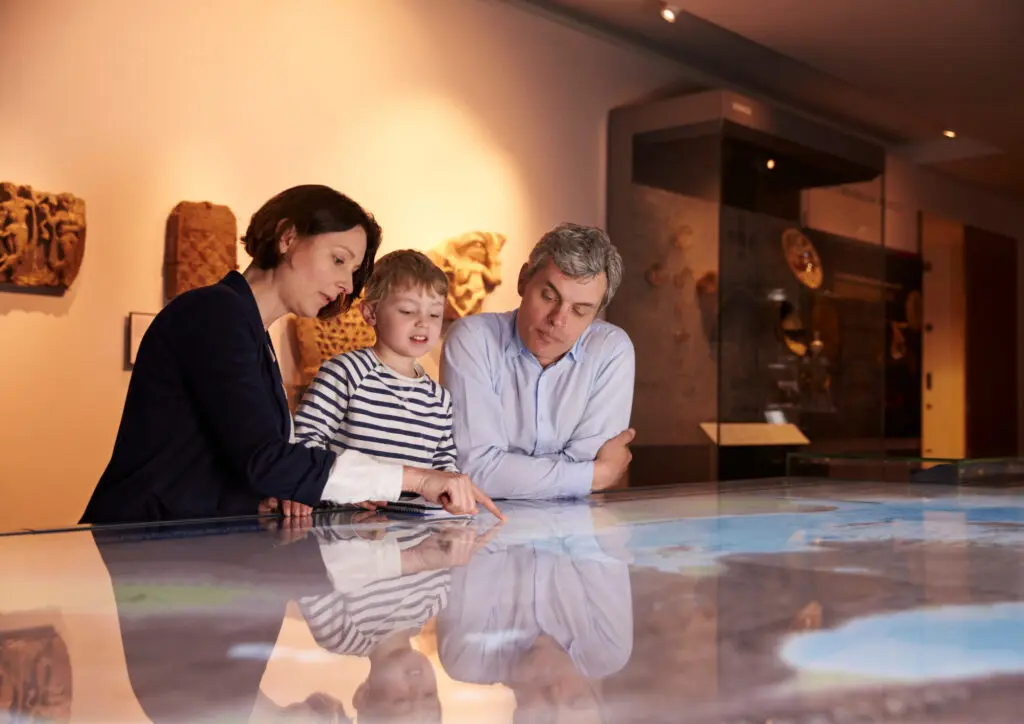
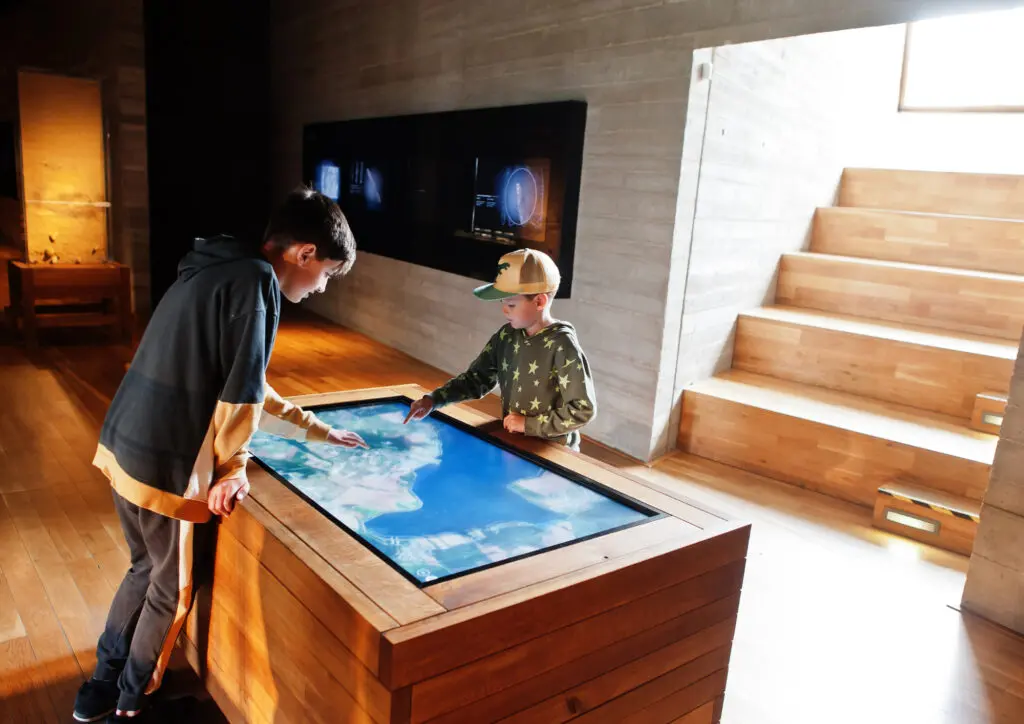
Museums and other cultural facilities use both touch and non-touch screens to encourage immersion and involvement on the part of all visitors. Digital signage has a major advantage in that it creates and drives interactivity. Visitors can click, drag, zoom and explore the details of a work on a touch screen. Immersion can be complete thanks to ambient soundscapes, audio commentaries or explanatory videos.
Visitors can also interactively answer questions to test their knowledge at the beginning and end of their visit, increasing engagement and learning. It’s a way ofenriching tours and making a lasting impression on visitors.
Helping navigation
By placing digital signage at strategic locations along the visitors’ path, the screens provide a significant assistance to navigation. Journeys are smoother, and information circulates in real time. Thanks to consultation terminals, visitors can find a map of the museum and find their way around quickly, and are instantly informed of museum news, etc.
Accessibility is a very important issue for museums. With digital signage, they can easily translate their content into multiple languages. Screens also have a positive impact on access to culture for people with disabilities. It’s a guarantee of equitable access for all audiences.
Emity’s digital signage solutions for museums
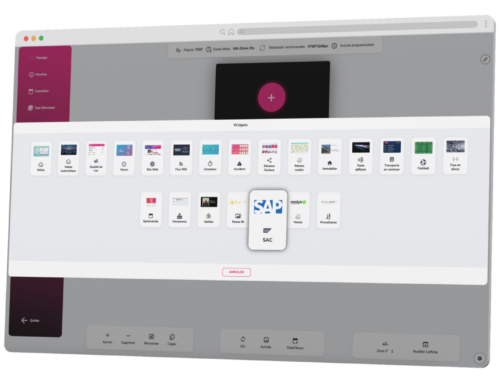
Depending on your needs and objectives, EMITY’s digital signage solution offers a wide range of options. Our proposals can be customized, as each screen can have its own function.
- Welcoming visitors: Installing a screen at the museum entrance provides direct communication for your visitors, with information such as opening hours, prices and more. You can discover and use new designs through templates created with our partner Canva.
- Referring visitors to your website: Thanks to a kiosk located at the reception desk, and using the E-Manager software, visitors will have direct access to your site. They can also buy tickets there.
- In the case of heavy traffic, Emity has two options: inform visitors and employees of the site’s capacity with E-affluence, and reduce visitors’ perception of waiting times with the E-attente management tool.
- Collecting opinions: Thanks to visitors’ proposals or opinions via E-survey, you can improve the visitors’ experience.
- Pass on information: Visitors learn in a fun way, and EMITY can help with its interactive quizzing solution!
- Informing, guiding and interacting with visitors can be done with touch screens and the installation of our E-touch solution, a feature for managing content designed for an interactive surface.
With digital signage, museum services are changing and becoming increasingly interactive. The digitization of museums is a significant development, transforming the experience of all visitors. Screen-based communication is much more flexible, accessible and adaptable than paper-based information. It’s an opportunity for museums to redefine their offer and remain relevant.
Thanks to our software and solutions, creating interactive content is simple, and invites visitors to fully immerse themselves in the works of art within a particular structure.