Customer references

Digital signage case studies:
33 references, from 1 to 950 screens

Thirty-three customers, from logistics to museums, more than 2,200 screens and kiosks driven from a single platform. Thirteen of these references open a full case study: the context, the fleet installed, what happens on the ground and what decided the choice.

Proof, not promises

Thirty-three documented references, with the numbers

A references page often lines up logos and says nothing about them. The approach here is different: every customer listed comes with its sector, the fleet installed and the year it went live. The thirty-three rollouts gathered on this page total more than 2,200 screens and kiosks — from a single kiosk in a town hall to the 950 screens of a retail network, by way of 360 screens and tablets at an international car rental company.

Thirteen of these references have a published case study, with the context, the uses on the ground and what decided the choice. The others are installations delivered between 2018 and 2024.

Across the whole installed base, EMITY connects more than 7,000 screens for more than 1,000 customer accounts, in over 20 countries, supported by more than 130 certified distribution partners.

2018-2027

installations delivered

33

customers listed

+2,200

screens and kiosks installed

13

published case studies

Our references

Thirty-three customers, from a single kiosk to a 950-screen fleet

Each tile carries the fleet installed and the year it went live. The thirteen references with a link open a full case study. Together these rollouts pass 2,200 screens and kiosks.

MobilityEuropcar360 screens and tabletssince 2020Read the case →LogisticsColissimo300 screenssince 2020Read the case →LogisticsGLS France111 screenssince 2024Read the case →IndustrySchindlerClose to 100 screensRead the case →Food serviceSushi Daily60 screensRead the case →Grocery retailIntermarché20 screenssince 2019Read the case →CoworkingBureaux & Co16 screenssince 2021Read the case →Food retailAtelier Banette15 screensRead the case →Food processingOvalt10 screensRead the case →CommunicationsAddora4 screensRead the case →IndustryGeneral Transmissions4 screensRead the case →Public sectorAulnay-sous-Bois town hall3 screensRead the case →SportsMHSCLive scoring at the stadiumRead the case →RetailOrchestra950 screenssince 2023Industry123 Pare-Brise160 screenssince 2023ServicesVidelioOver 40 screenssince 2024RetailXXL MaisonOver 30 screenssince 2021Grocery retailLeclerc25 screenssince 2021Grocery retailLidl20 screenssince 2022SportsFitness ParkOver 15 screenssince 2019RetailBureau ValléeOver 15 screenssince 2021EducationFondation BocuseOver 10 screenssince 2024Real estateVilogia7 screenssince 2023IndustryRoady6 screenssince 2023Food serviceLa Boulange5 screenssince 2018CultureLa Rochelle museum4 screenssince 2023TransportSNCF4 screenssince 2022Food serviceL’Annexe Pizza3 screenssince 2022Food serviceAux Copains d’Abord3 screenssince 2022Food serviceMonsieur Madame2 screenssince 2021Public sectorLa Roche-Posay2 screenssince 2022ServicesGautier Semence1 kiosksince 2023Public sectorFrontignan town hall1 touchscreen kiosksince 2024

They trust EMITY

The twelve most documented cases, sector by sector

From a town hall with 3 screens to a network of 360: each card gives the context, the fleet installed and what digital signage changed day to day.


On the ground

What an EMITY rollout actually looks like

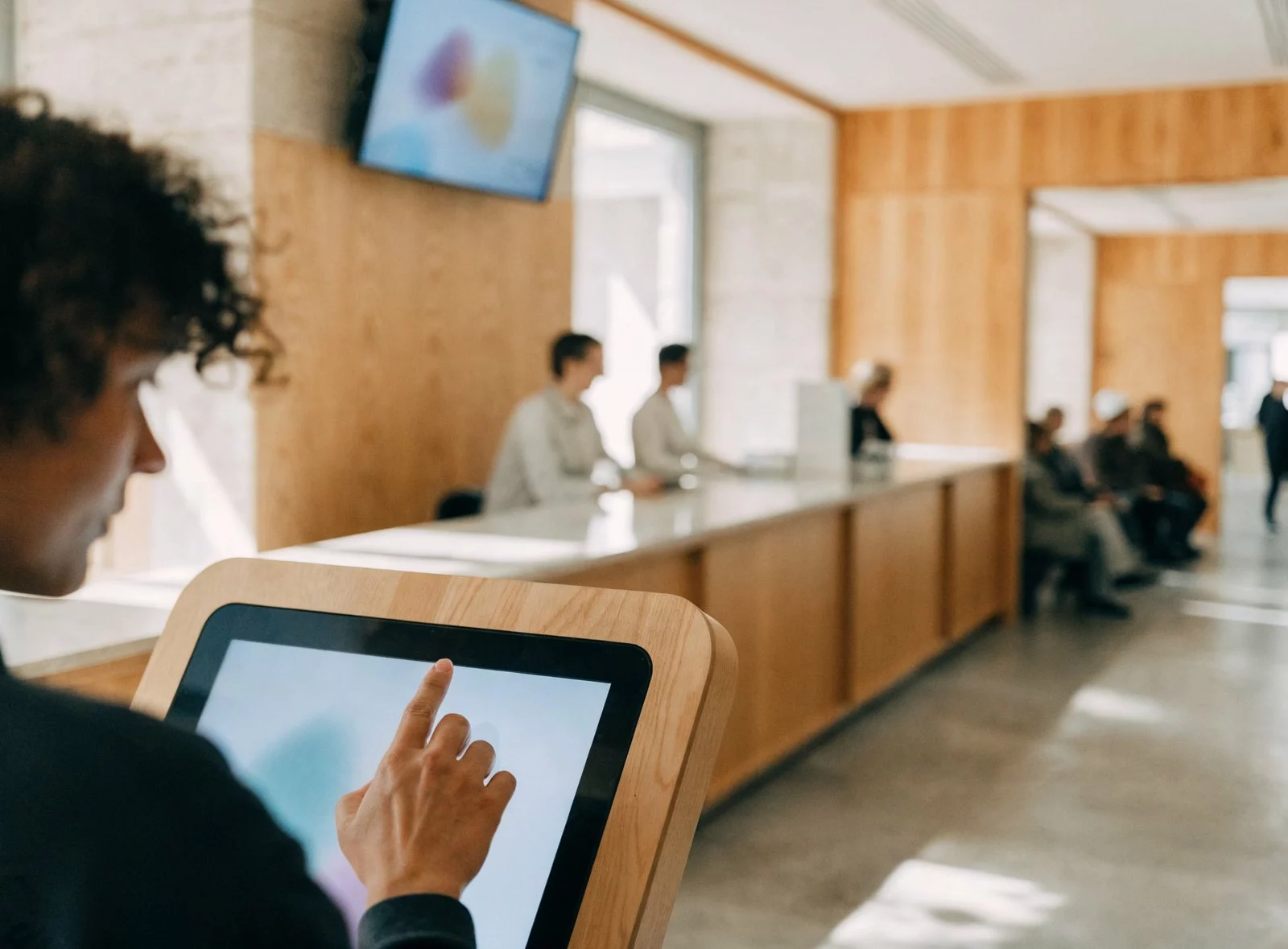
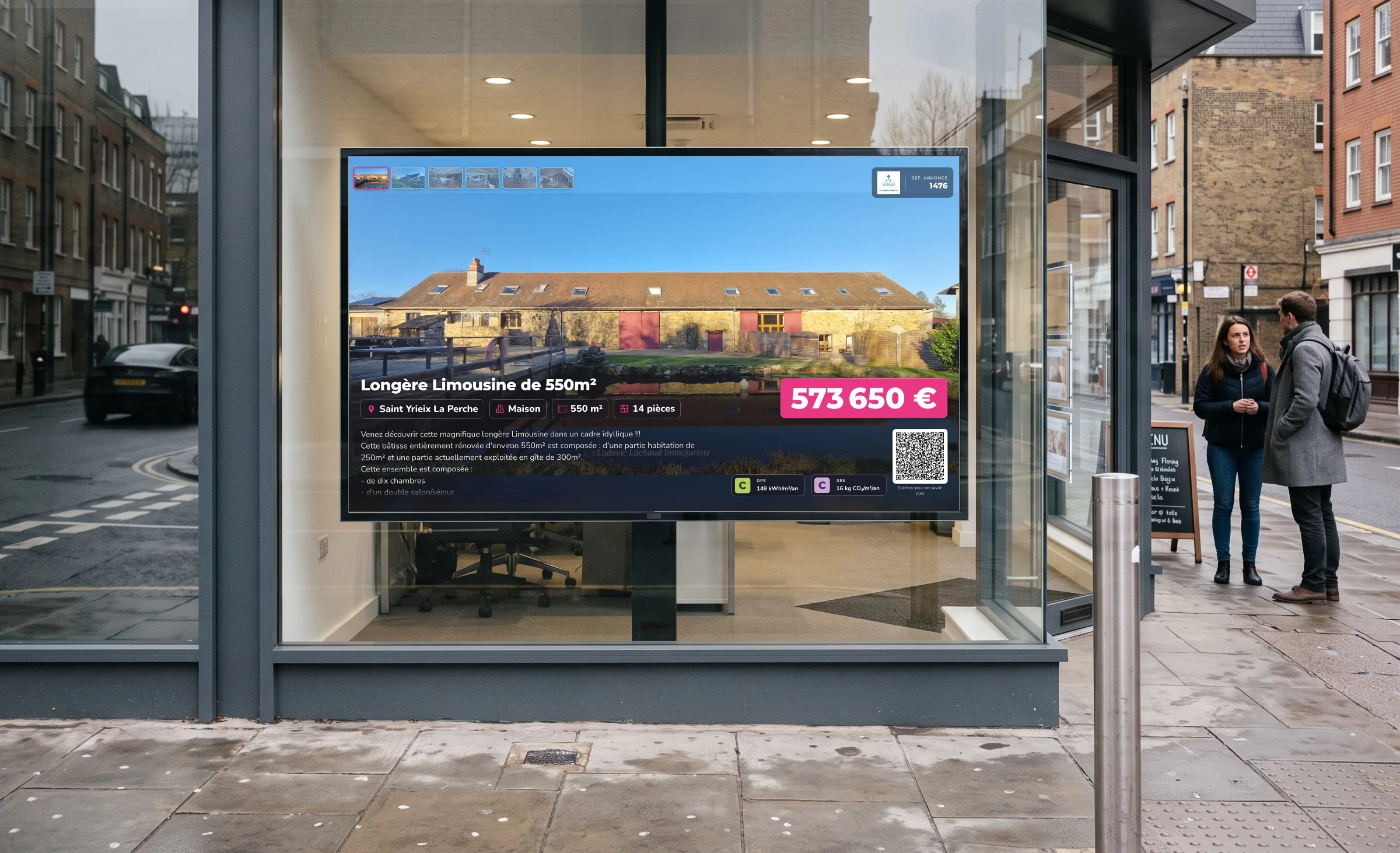
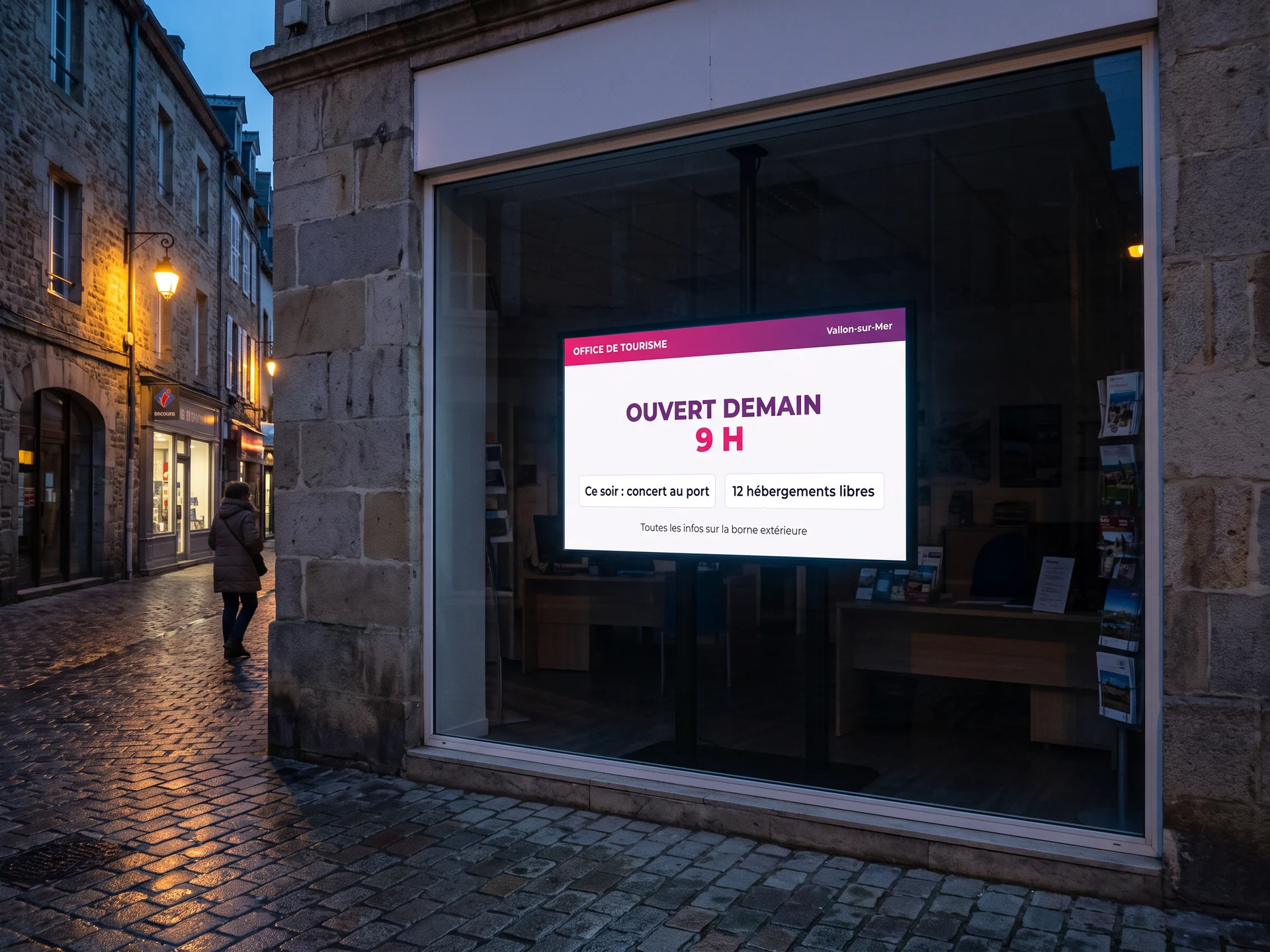
Four installations photographed at customer sites — not simulations.
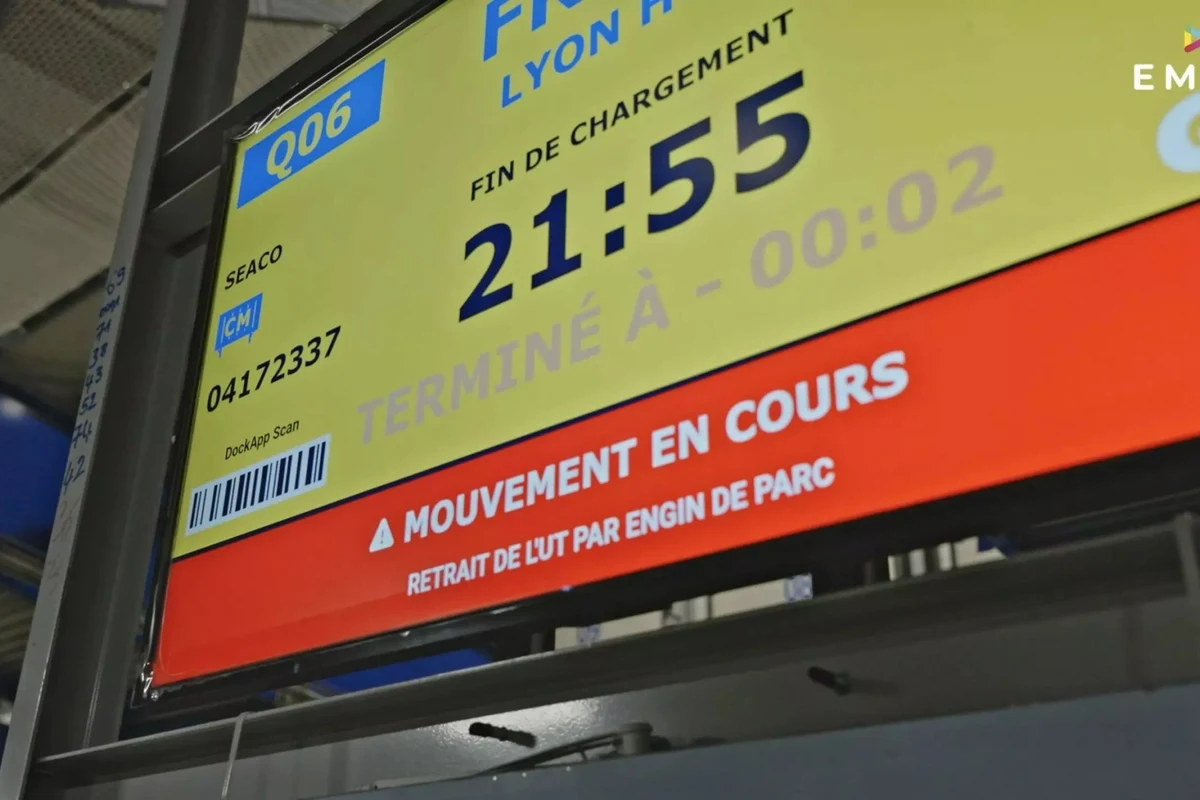
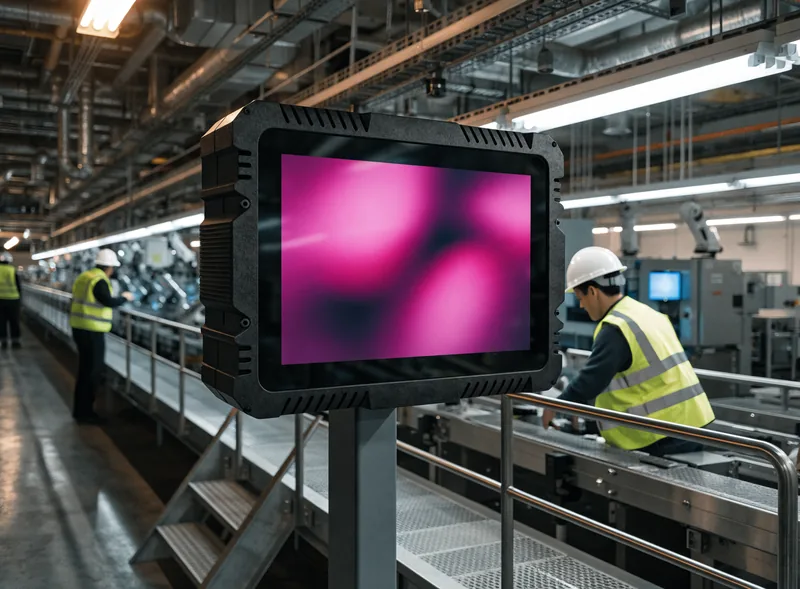
A screen at the end of each loading bay shows the destination, the loading cut-off time and a color-coded status updated in real time.

GLS France — Paris Sud hub

A screen at the end of each loading bay shows the destination, the loading cut-off time and a color-coded status updated in real time.

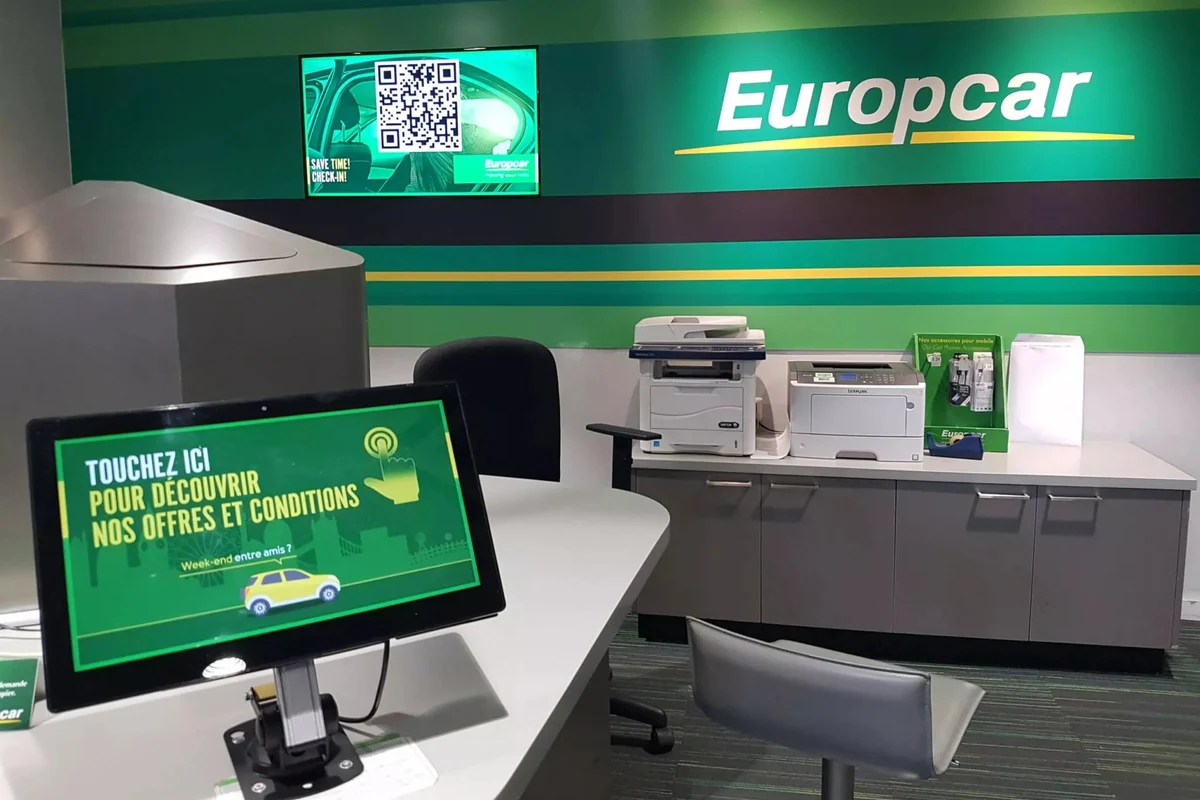
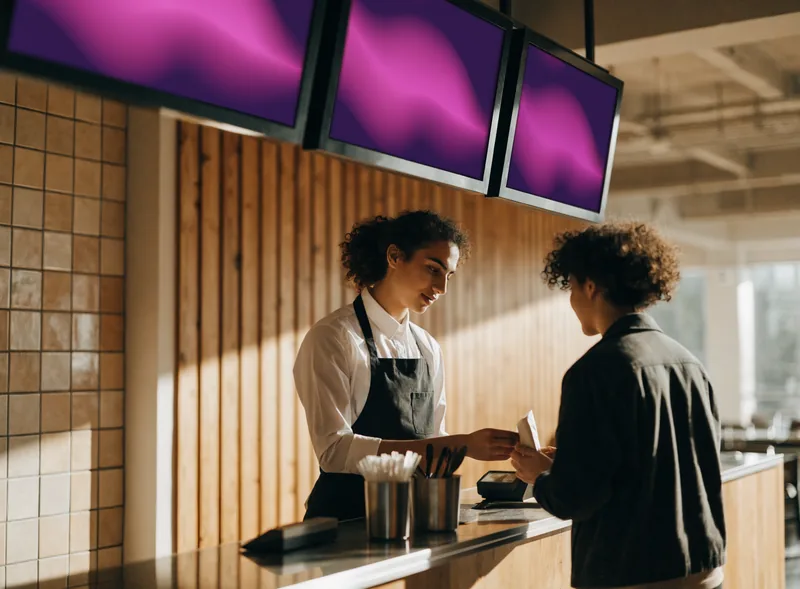
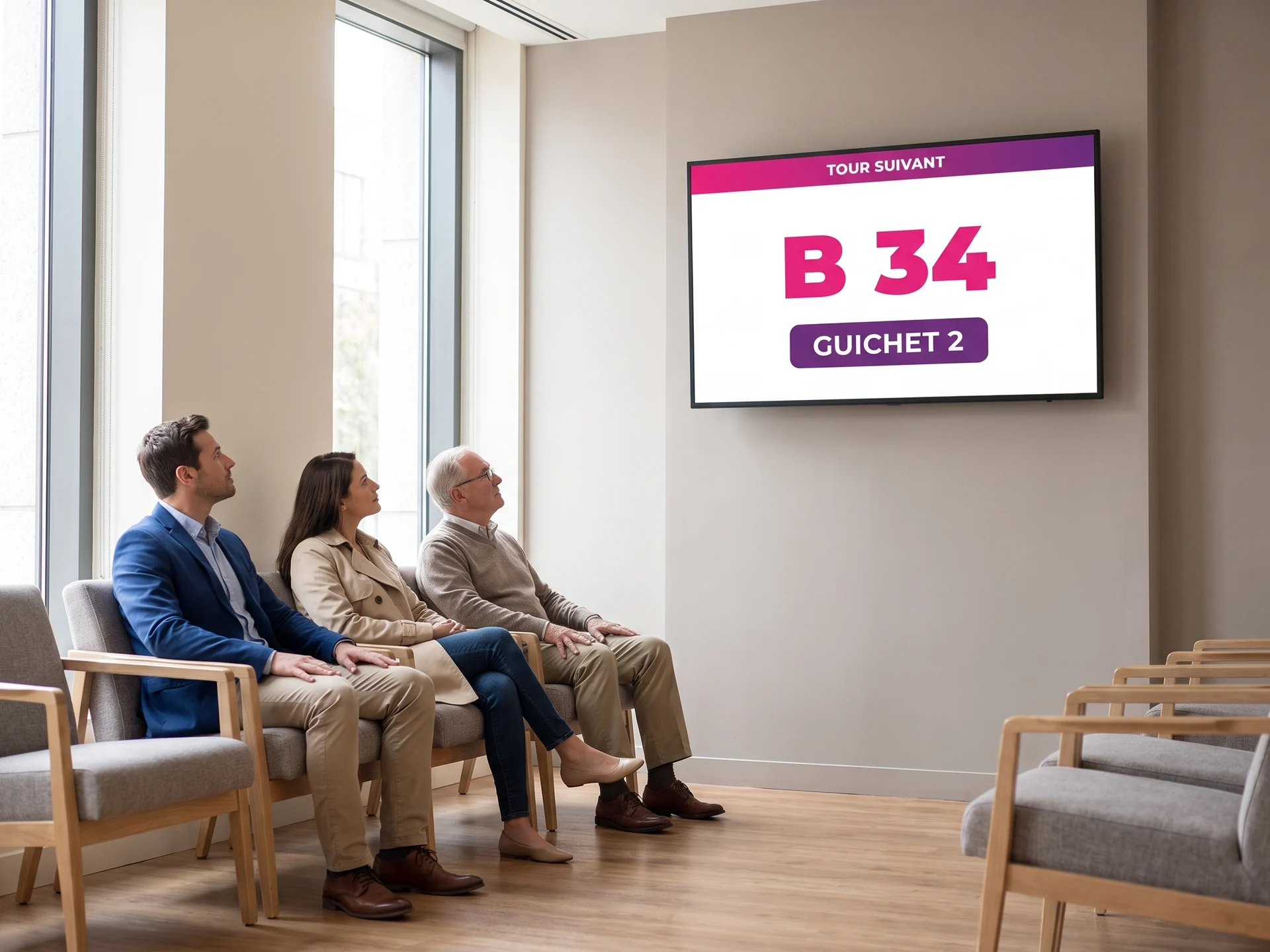
A wall screen and a counter kiosk carry offers and practical information, driven from head office with no work on site.

Europcar — branch counter

A wall screen and a counter kiosk carry offers and practical information, driven from head office with no work on site.

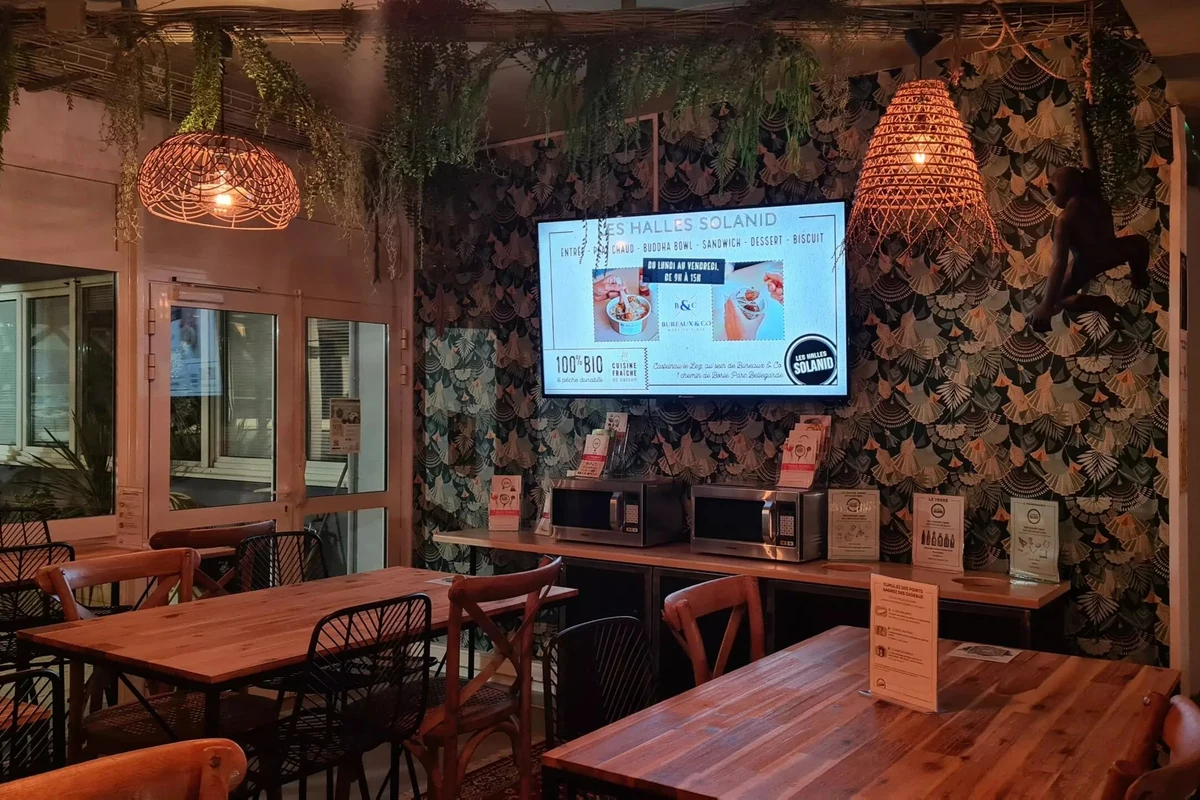
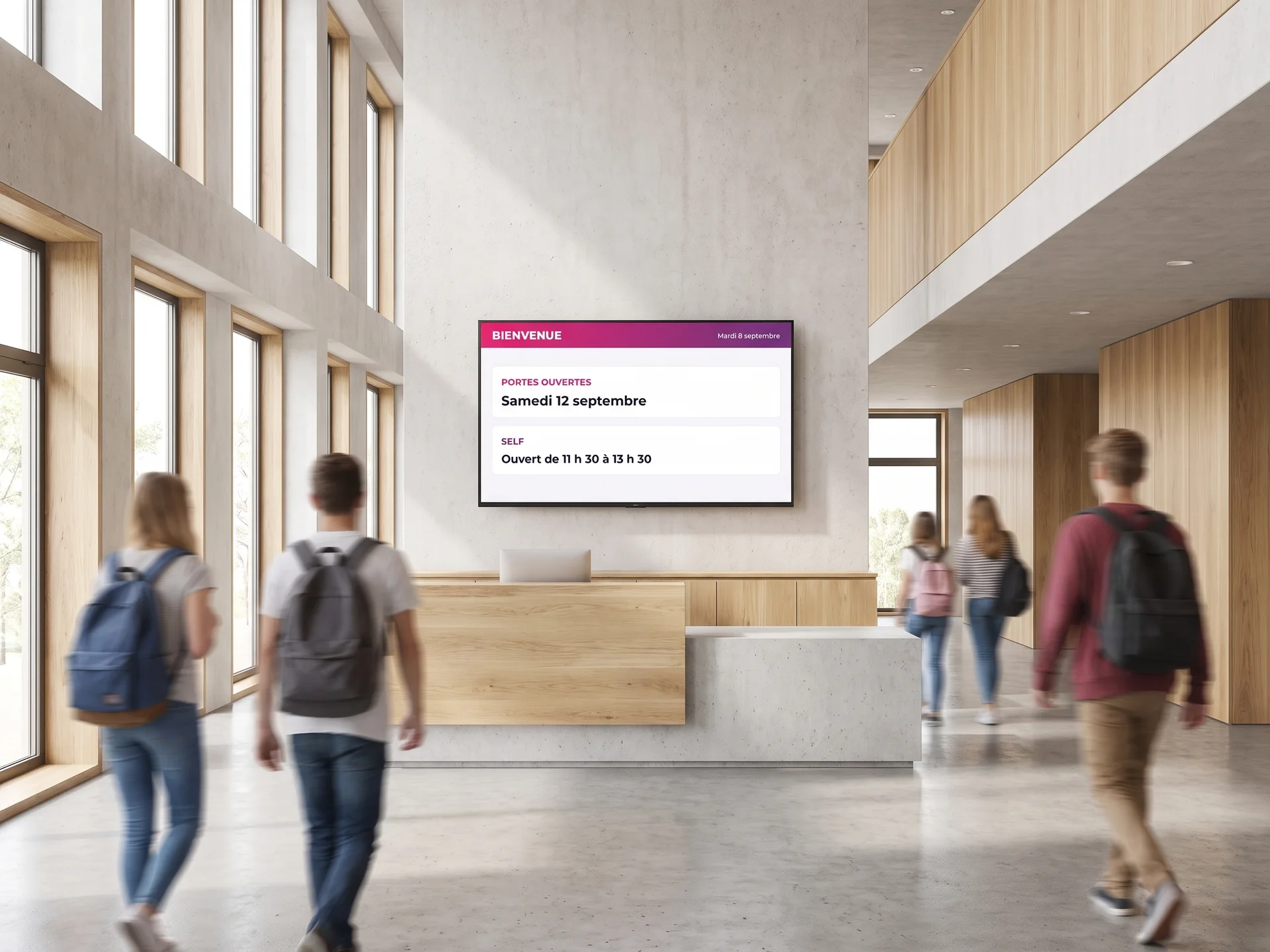
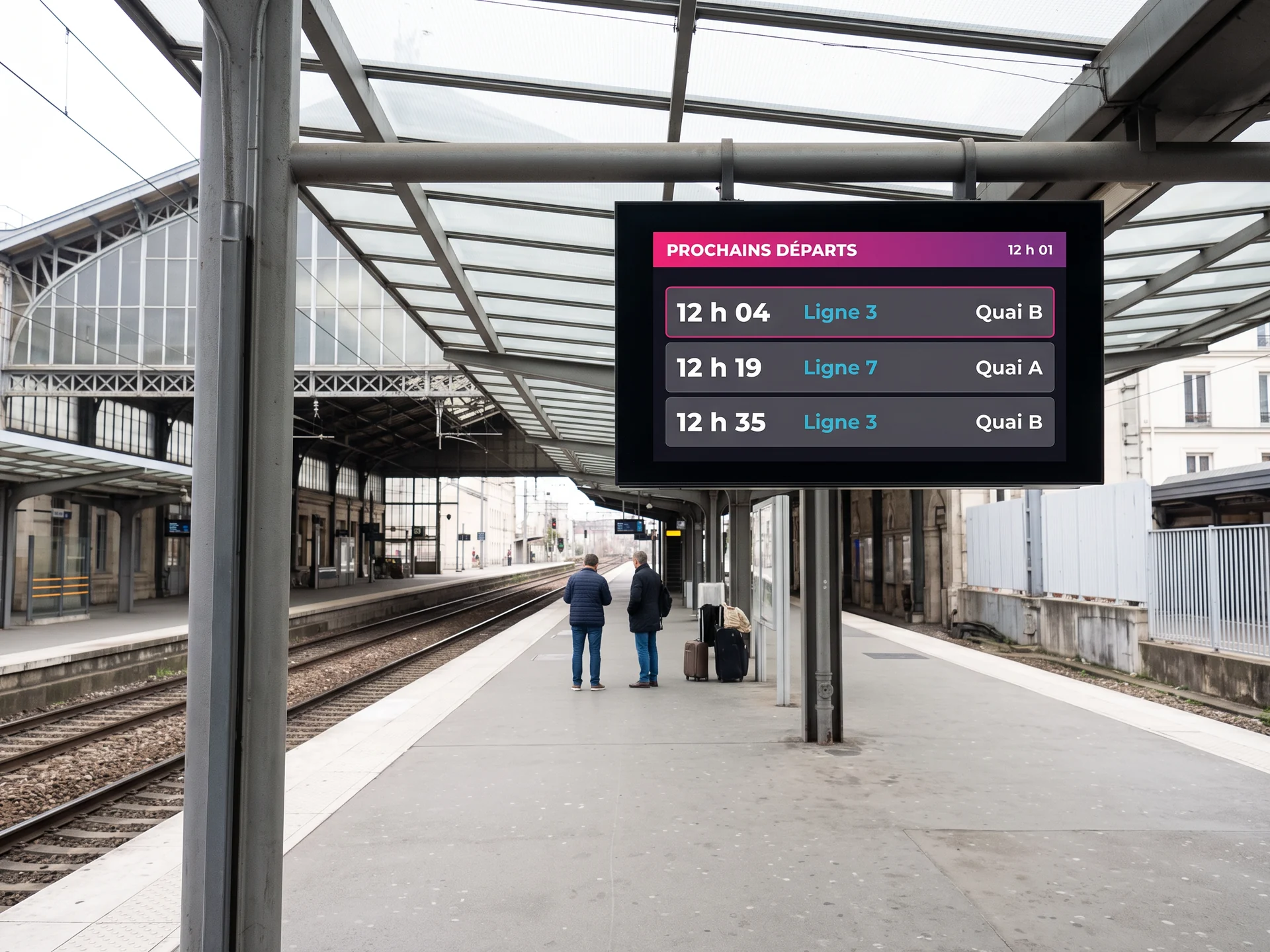
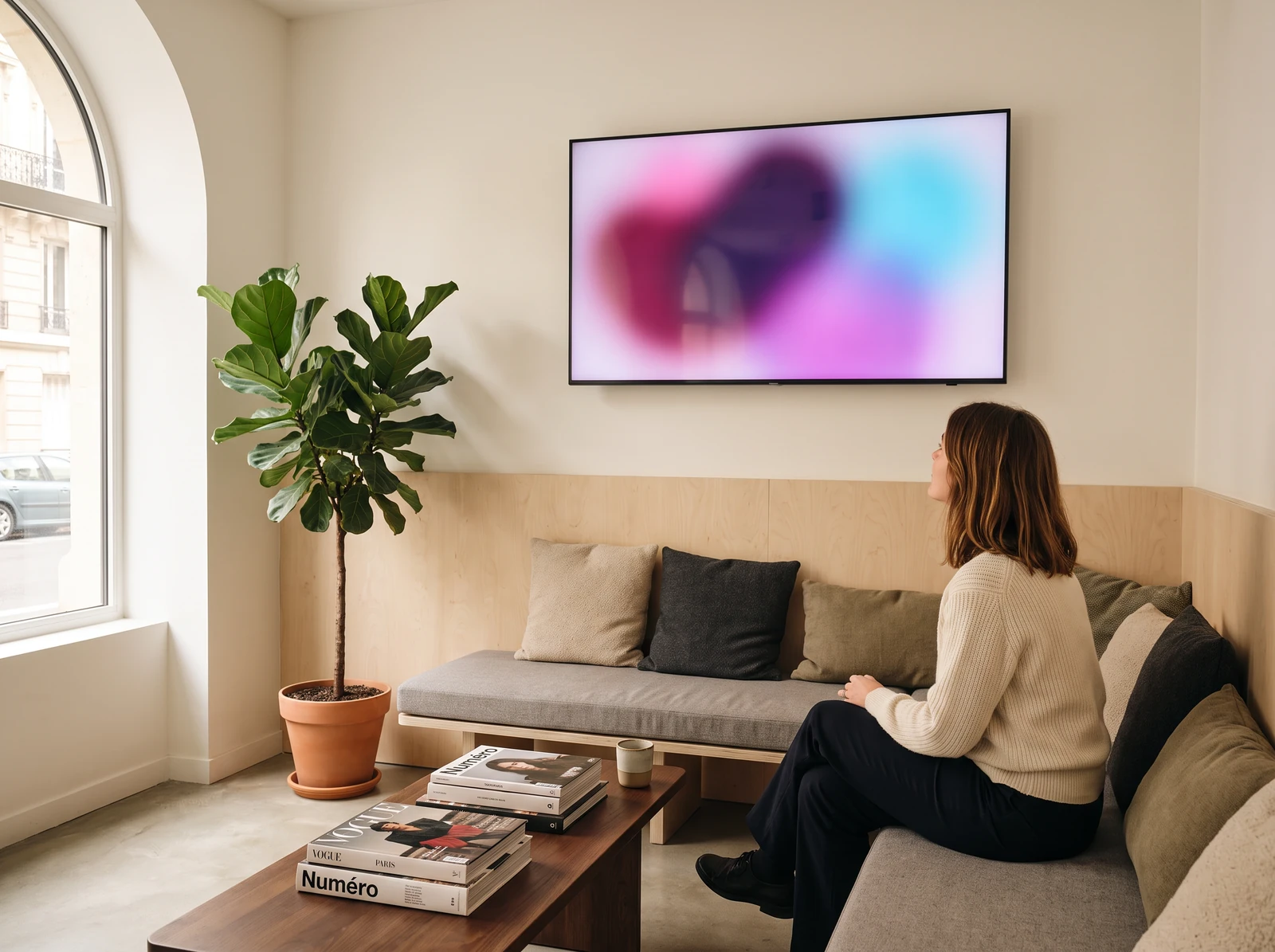
In shared areas the screens inform occupants and give visibility to what the site offers.

Bureaux & Co — coworking space

In shared areas the screens inform occupants and give visibility to what the site offers.

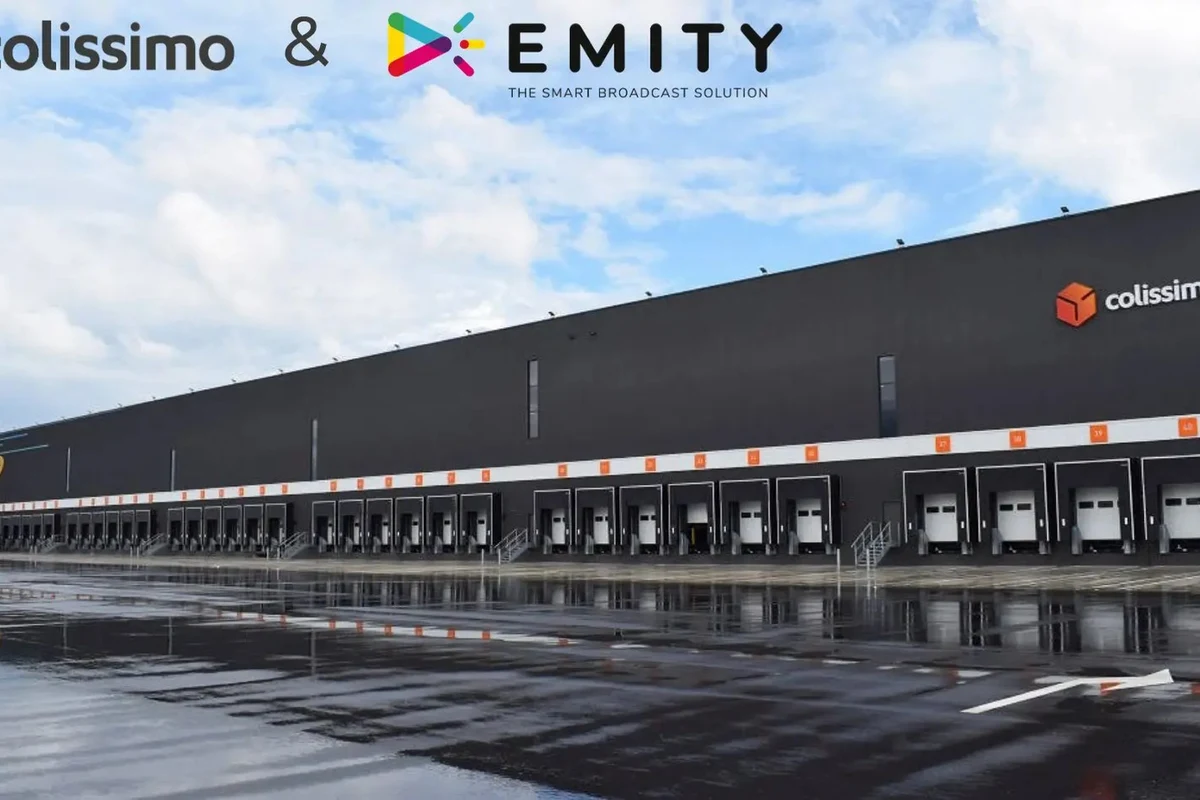
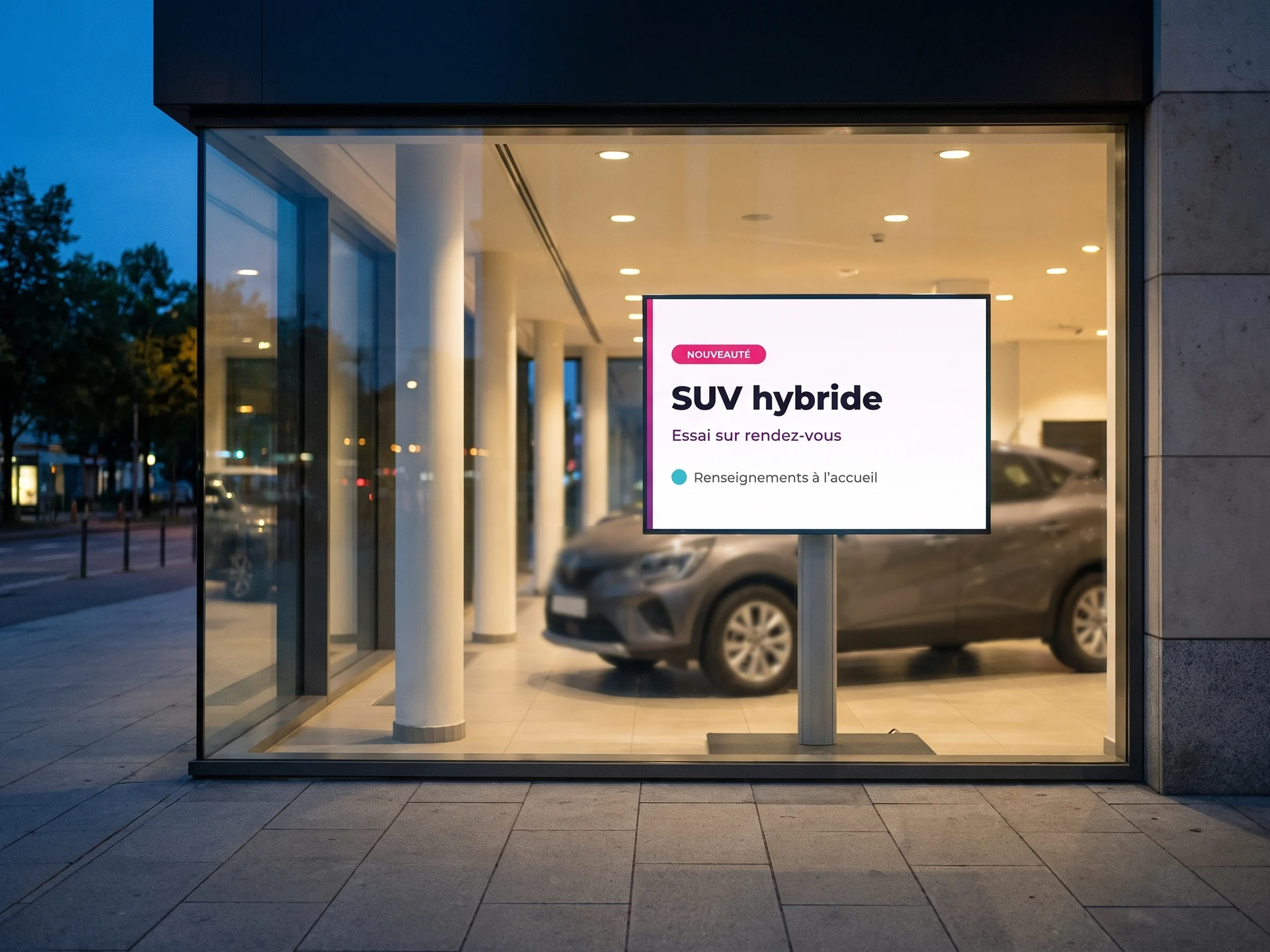
On sorting and loading sites the display relays instructions, indicators and internal communication to the teams.

Colissimo — sorting platform

On sorting and loading sites the display relays instructions, indicators and internal communication to the teams.

What they have in common

Six things every one of these rollouts relied on

Different sectors, different fleet sizes — and the same handful of deciding factors.

Going further

Digital signage, trade by trade

The cases above give the numbers. These eighteen pages set out, for each trade, the concrete uses, the modules involved and examples taken from the field.
How it works

The six steps of a rollout

From the first conversation to going live, the path is the same for 3 screens as for 300.

01

Framing the need

How many screens, in which places, to say what. This first conversation also settles the constraints: network, security, content that already exists.

02

Choosing the equipment

The engineering team checks what can be kept and fills the gaps. Screens, E-BOX players, E-CLICK touchscreen kiosks or E-PAPER digital ink panels, depending on the context.

03

Connecting

An internet connection is enough, with no intrusion into the company network. For organizations that require it, an installation on their own servers remains possible.

04

Creating the content

EMITY’s built-in editor composes visuals and posters directly inside the platform. If your teams already use Canva or Adobe Express, those tools connect to it.

05

Programming

Each screen or group of screens gets its playlist and its schedule. Weather, news, business indicator or IPTV widgets enrich what is shown.

06

Following up

The state of the fleet can be checked remotely. A certified partner handles proximity, in France as in the more than 20 countries covered.

Questions we are asked

Choosing digital signage: the questions that come up

Thirty-three customers are listed on this page, thirteen of them with a published case study: GLS France, Europcar, Colissimo, Schindler, Sushi Daily, Bureaux & Co, Atelier Banette, Intermarché, Ovalt, Addora, General Transmissions, Aulnay-sous-Bois town hall and Montpellier Hérault Sport Club. Orchestra, SNCF, Leclerc, Lidl, Fitness Park, Bureau Vallée, Videlio, Vilogia and Fondation Bocuse are among the others. Together these rollouts pass 2,200 screens and kiosks. Across the whole installed base, EMITY connects more than 7,000 screens for more than 1,000 customer accounts.

For a franchise the deciding factor is rarely the screen — it is who controls what. With E-MANAGER, head office sets a common base (brand, national campaigns) while each club adds its own class schedule and local information. Fitness Park has been equipped since 2019, with over 15 screens. The same platform also drives live scoring in a sports hall, which no general purpose signage tool does.

Look for three things: remote management of a multi-site fleet from a browser, the ability to reuse the screens already on the wall, and a local contact. EMITY covers the three — compatibility with every screen manufacturer, one platform for the whole fleet, and more than 130 certified distribution partners in over 20 countries. The gym pages set out the concrete uses: cardio floor, locker room, class schedule.

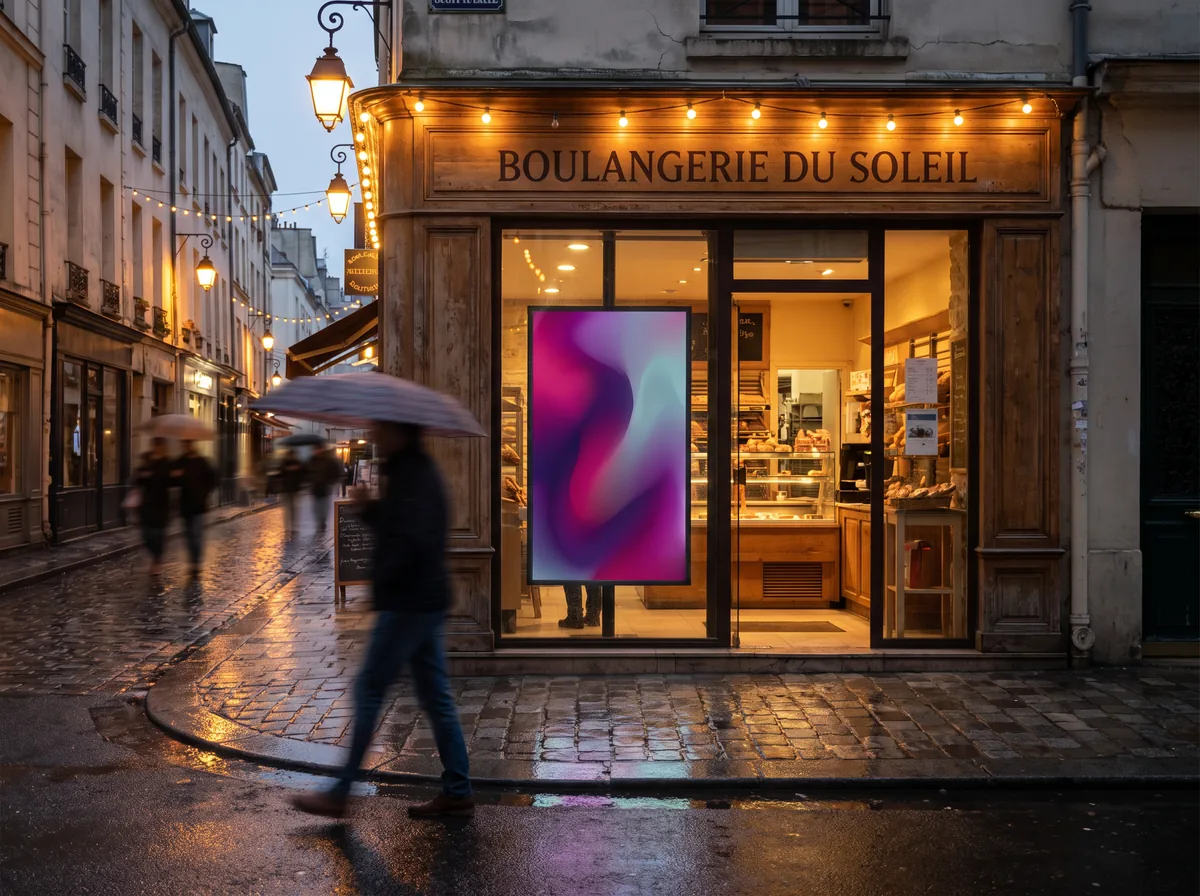
The window is what matters: it works when the office is closed, which is when most people walk past. Listings are updated from the software, with no USB stick and no reprinting. Vilogia, a social housing operator, runs 7 screens combining display, touchscreen kiosks and queue management since 2023.

In grocery retail the constraint is the number of stores and a network that is not always reliable. One player can feed several screens and keeps broadcasting if the connection drops. Leclerc (25 screens since 2021), Lidl (20 screens since 2022) and Intermarché (20 screens since 2019) all run on E-MANAGER.

Shared buildings need two levels of information: what the owner publishes for everyone, and what each occupant shows on its own floor. Screen groups handle exactly that. Bureaux & Co equipped its private offices, coworking areas and meeting rooms with 16 screens, in France and abroad.

From 1 to 1,000 screens per account. The published cases run from a single touchscreen kiosk in a town hall to 950 screens across a retail network, with 360 screens and tablets at an international car rental company and 111 screens on the GLS Paris Sud hub alone. E-MANAGER is the same platform in both situations — only the number of connected screens changes.

Yes. Sushi Daily broadcasts in kiosks and corners across eleven countries, Bureaux & Co is equipped in France and abroad, and Schindler and Europcar are groups present on several continents. EMITY operates in more than 20 countries with more than 130 certified distribution partners.

Your case study, next?

Three screens in a town hall or three hundred across sorting platforms: the starting point is the same — a demonstration, no commitment, to see the platform applied to your trade.